

Kia ora EDANZ community,
Half the year already gone, and we're keeping wonderfully busy getting our Te Whatu Ora funded projects off the ground. It has been so rewarding to deliver our call-back programme and hear families say, "It's ok, I feel confident, I don't think I need a call next week!" I've never been so happy about someone not wanting to talk to me!
Alongside this, we're beginning to reorganise and update our resources, and to keep supporting our volunteers with upskilling and care.
Lots of work, but so very exciting and rewarding!
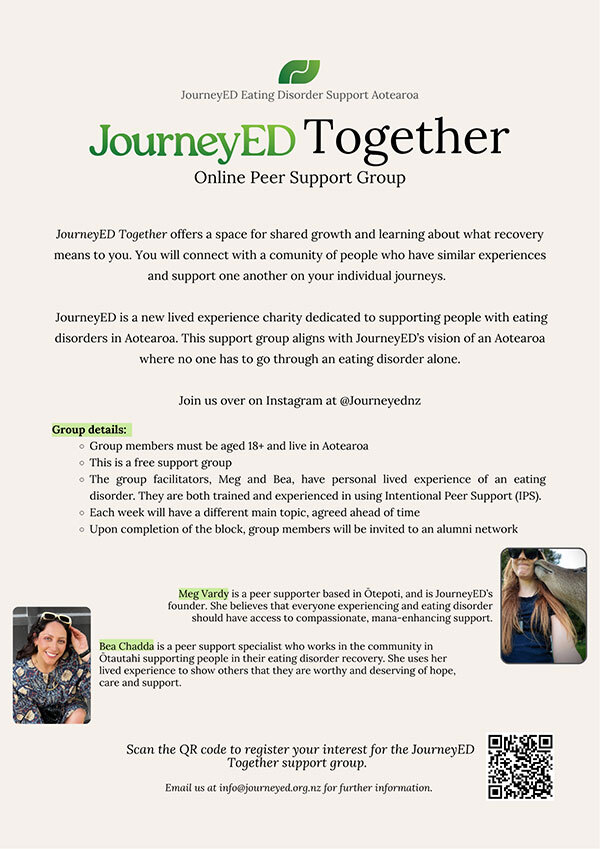
I would also like to share how excited we are that JourneyEd (journeyed.org.nz) has launched. While EDANZ walks alongside the whānau of those going through an eating disorder, JourneyEd supports the affected individuals themselves, offering that invaluable peer connection. We're so grateful to Meg Vardy for creating this much-needed service. Thank you, Meg!
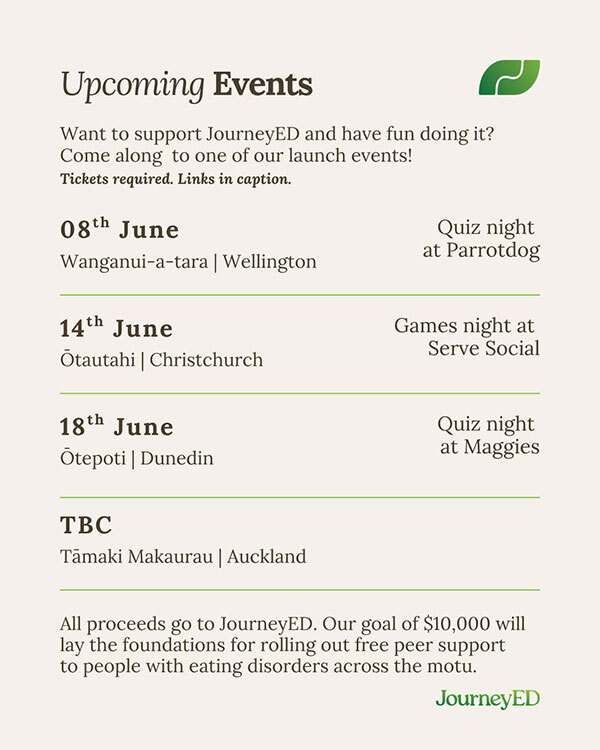
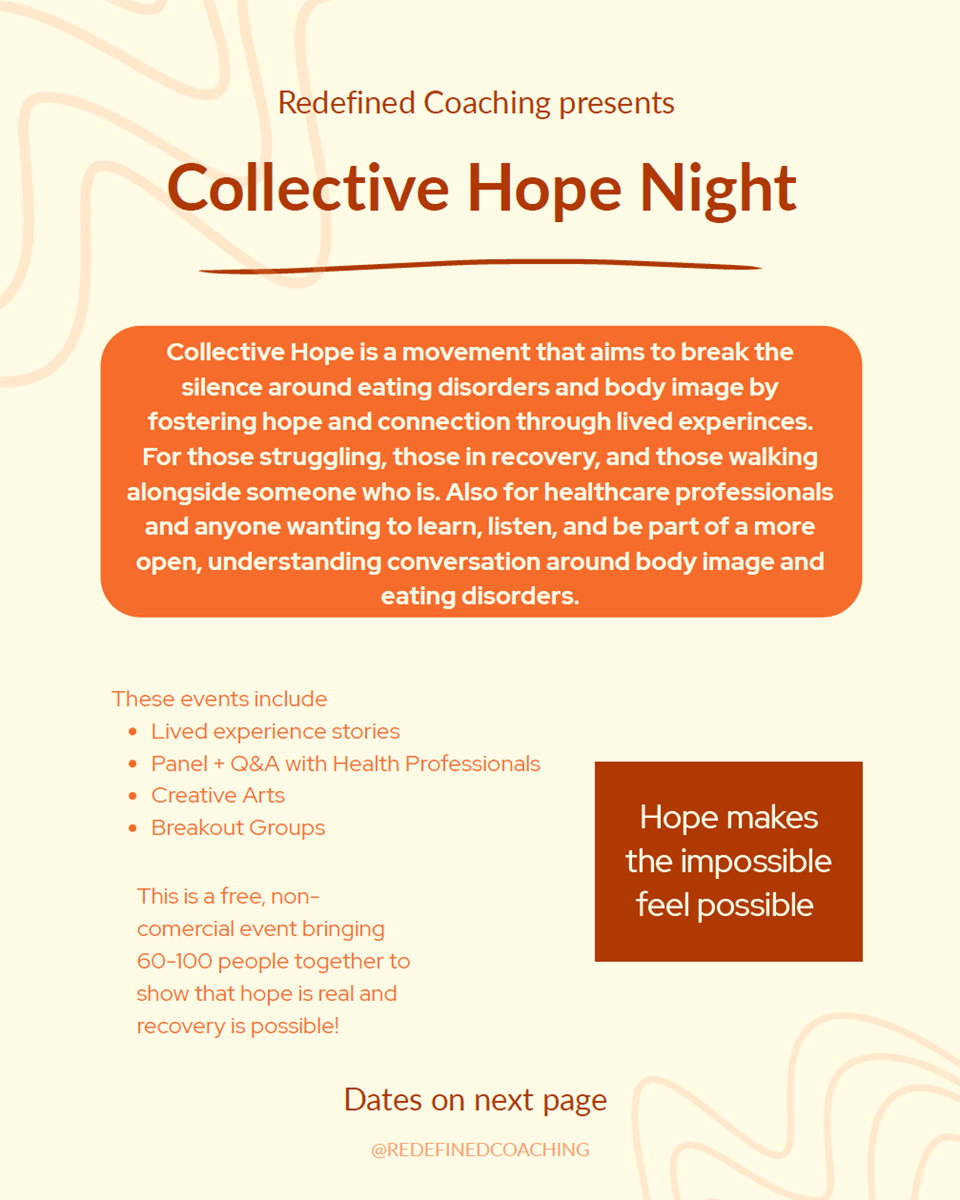
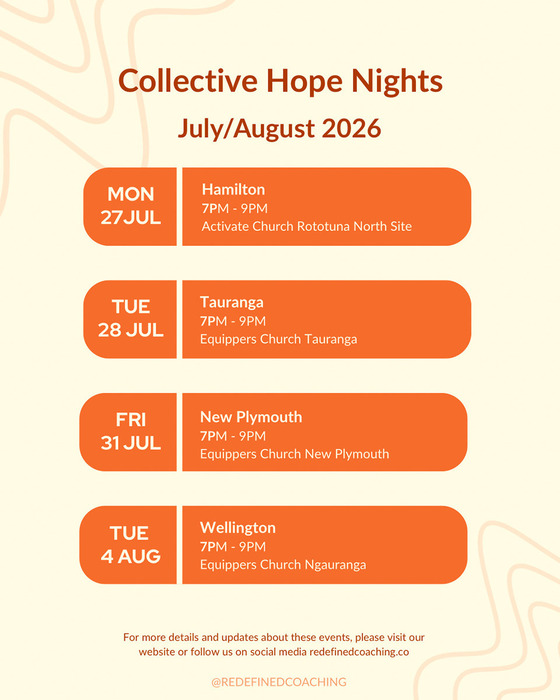
To mark their launch, JourneyEd is holding a series of events across Aotearoa. The Wellington event was a great success, so be sure to join one of the upcoming ones. (See the poster in the Events and Announcements section below to find out how to get involved with or support JourneyEd.)
Andrea Bonetto – Chairperson

Siblings
We always say that with eating disorders, most of the recovery work happens at home, which is why families are such an essential part of recovery. Medical professionals can get us started and support us along the way, but the bulk of the work is done by the whānau. In fact, we often say that the biggest mental health workforce in New Zealand is whānau. The whole family becomes involved, each in their own way, and every one of them ends up affected by the eating disorder in some way or another.
Siblings, even though they sometimes try not to appear affected, are indeed deeply affected by their sibling's illness. Sometimes they feel guilty, as though perhaps it was something they did that caused this. It is very important to talk to your child and explain that there is nothing they did, nothing their parents did, and nothing the affected individual did themselves to become ill. This is an illness, and there is no blame.
It also helps to remember that siblings often carry their worry quietly. They may pull back to avoid adding to their parents' stress, downplay their own needs, or struggle with a confusing mix of love, fear, frustration, and guilt all at once. Some feel invisible, as though the illness has taken up all the space in the house, while others feel pressure to be the "easy" or "good" child who causes no trouble. None of this means they are coping fine. Make time to check in with siblings regularly, give them honest, age-appropriate information, and set aside a little one-on-one time for them, separate from anything to do with the eating disorder. This reassures them that they matter just as much and that they have not been forgotten.

Let siblings stay siblings
One of the most helpful things a family can do during recovery is to protect the sibling relationship and keep it as close as possible to what it has always been: just a brother, a sister, a sibling. The eating disorder will try to reshape every relationship in the house, and it is worth consciously resisting that with the siblings. As much as possible, let them keep being a normal part of each other's lives, arguing over the television remote, sharing jokes, getting on each other's nerves, and simply spending ordinary time together that has nothing to do with the illness.
- Refeeding is a carer's job, not a sibling's responsibility (as much as is possible):
A key part of this is not placing the responsibility of refeeding or monitoring meals on a sibling. That role belongs to the parents and the treatment team, not to a sibling. When asked to police food, plates, or behaviours, the dynamic between them shifts, and, unlike the parent relationship, it can be very hard to recover that easy, equal relationship afterwards. Keeping siblings out of the supervising role protects both children: the unwell child keeps a sibling rather than another supervisor, and the well sibling is not burdened with a job that is not theirs to carry. - Make time for your kids to have fun together:
Try to set aside a regular, protected activity outside of mealtimes, a movie, a game, anything they used to enjoy together as siblings. Keeping this a fixed part of the week, rather than something that only happens when there's a spare moment, helps preserve that dynamic and keeps strengthening the sibling bond.

Siblings of individuals with eating disorders
A 2023 systematic review published in European Eating Disorders Review looked at twenty-one studies on what it is like to have a brother or sister with an eating disorder. It found that eating disorders cause a huge disruption, leading siblings to feel less important than their sibling with the eating disorder. The review identified recurring themes including fragmentation in family relationships, parentification (where the sibling starts to take on a parent's responsibilities), competition and jealousy. "Parentification" is a particularly relevant finding here: it describes what happens when a sibling is pushed, often unintentionally, into a caring or supervising role beyond their years, which is exactly the dynamic the tip above aims to avoid.
Encouragingly, the wider literature also notes that siblings frequently feel deep love and protectiveness alongside the harder emotions, and with the right support and education about the illness, the relationship can remain a real source of connection through recovery.
Reference: Maon, I., Horesh, D., & Gvion, Y. (2020). Siblings of Individuals With Eating Disorders: A Review of the Literature. Frontiers in Psychiatry. Systematic review: European Eating Disorders Review (2023).

This is a message from a family who has been through the EDANZ call-back programme, sharing how much the support has meant to them.
"I think why the support has been so good is that the support person has been where we are. They know the right things to say at the right time. I felt lighter and more confident each time I got off the phone."
– a North Island parent
If EDANZ has helped you or you have any suggestions on what we can do better, please email us at: info@ed.org.nz
We’d love to hear from you.

Join the EDANZ Helpline: Supporting others on the journey
The EDANZ helpline is a vital lifeline for families navigating the complexities of eating disorders. We are currently looking for volunteers to join us in providing support and guidance. If you have supported a loved one through an eating disorder and feel ready to give back, your lived experience is incredibly valuable. By joining our team, you can offer hope and understanding to those who are now walking the path you once travelled.
We welcome any amount of time you can offer, and every hour of support makes a profound difference for our community. Your unique perspective allows you to connect with families in a way that truly matters. If you would like to help us ensure that no one faces this challenge alone, please get in touch with us. We would love to discuss how you can contribute to this rewarding mission.

Upcoming support group meetings
EDANZ believes parents/carers have unique abilities to support one another and we hold regular meetings to which you are warmly invited. Currently, we're joining together around the country on the first Wednesday of every month over Zoom.
If you would like to participate in a virtual support group, please RSVP to info@ed.org.nz and we'll send you the link.
Upcoming meetings:
- Wednesday, 1 July at 8pm
- Wednesday, 5 August at 8pm
More information can be found on our website Parent/Carer Support Groups page
Remember: EDANZ helpline is open throughout the year, including holiday periods. Please don’t hesitate to contact us at info@ed.org.nz or leave a message on the phone 0800 2 EDANZ and we will get back to you as soon as we can. If you are concerned about the safety of someone, please ring 111 or go to the Emergency Department of your nearest hospital.


|
Free event tonight (June 10) in Auckland: |
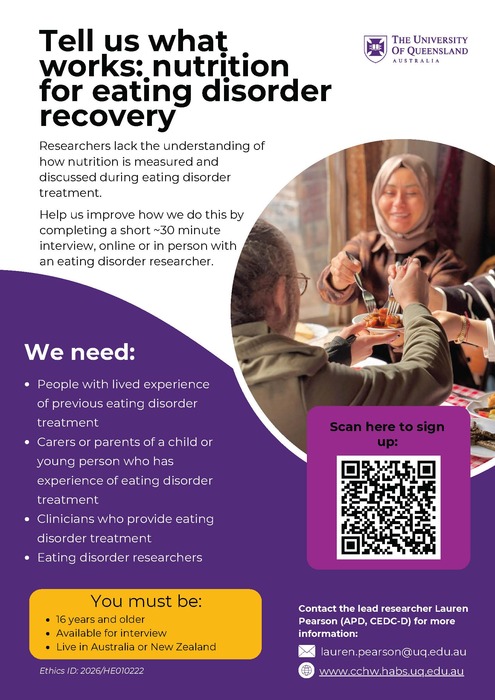
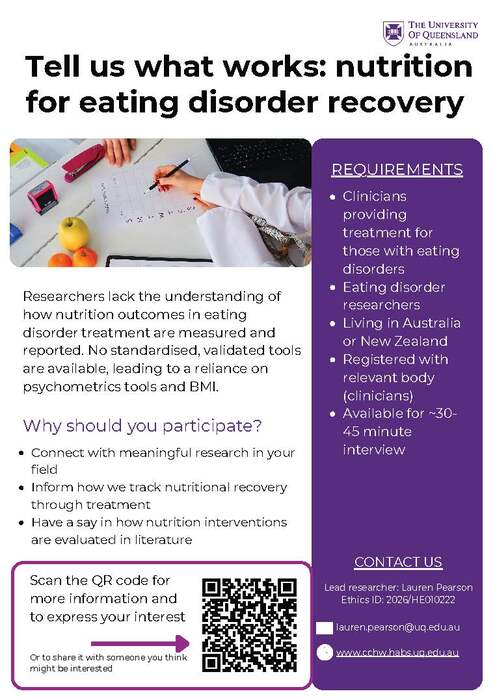
Participants needed for Eating Disorder Nutrition Research

Please make a donation today
and have real impact on the work we do.
Thank you to everyone who has contributed financially. Whether it is a one-off or regular donation, your support makes a real difference.