
IN THIS ISSUE...
- Message from the Chair
- Topic of the Month: How Does an Eating Disorder Start?
- Tip of the Month: No Such Thing as Good or Bad Foods
- Research Corner: Eating Disorders Genetic Initiative
- Feedback Corner
- Upcoming EDANZ support meetings
I hope your holiday season was restorative and full of nourishment. With a few weeks of summer still ahead, I’ll keep this brief so you can get back to the sunshine and recharge. Here's to a gentle start to the year and finding time to truly fill your batteries.
Andrea Bonetto – Chairperson
How Does an Eating Disorder Start?
January got me thinking about beginnings. How does an Eating Disorder develop?
Not too long ago, the medical community largely blamed the mother’s personality for the development of eating disorders (specially restrictive eating disorders) in their child. Now, after exciting new research, we know that that is not the case.
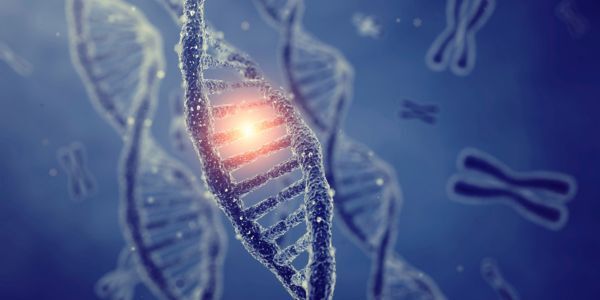
Restrictive eating disorders are deeply rooted genetic and metabolic illnesses, not choices or reflections of parenting or behaviours of the child. Some people carry a genetic predisposition to develop an eating disorder. These genes remain quiet until they are 'turned on' by a period of energy deficiency. This deficit can be triggered by intentional dieting, but it is just as often sparked by a growth spurt, athletic training, or an illness that causes a loss of appetite.
When this energy gap occurs, it flips a biological switch in the genetically predisposed brain. New research confirms that the illness is a genetic-metabolic disease, removing the heavy burden of guilt and shame from both the child and the parent. Recovery is not a matter of willpower, but of biological restoration; therefore, consistent and urgent refeeding is the essential medicine required to heal the brain and stabilise the body's metabolic state.
No more guilt or shame, let’s focus on the refeeding.
No Such Thing as Good or Bad Foods
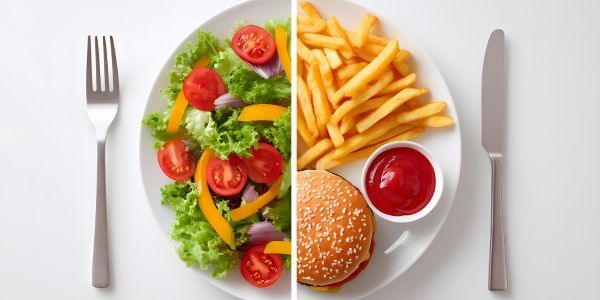
Labelling foods as 'good' or 'bad,' or 'healthy' versus 'unhealthy' places a dangerous burden on those predisposed to eating disorders. When we talk about ‘healthy’ food, by default all other foods become categorised as ‘unhealthy’. When we categorise food this way, we inadvertently also create a moral hierarchy where eating certain foods is linked to being good or bad. In reality, food has no moral value; it is simply fuel and pleasure.
Context determines nutritional needs: for example, a cyclist may consume half a kilogram of sugar during a race to sustain performance, making sugar 'functional' and necessary. Health is not determined by a single meal, but by a complex interaction between metabolism, physical activity, variety, and, crucially, psychological well-being. Using moral labels like 'junk' or 'healthy' can trigger intense shame, increasing the pressure to restrict or engage in compensatory behaviors when we eat those 'unhealthy' foods.
The 'tip of the month' is to strip away these labels entirely. Eating a salad does not make you a 'good' person, as eating a burger does not make you 'bad'.
By removing these judgments, we are allowing for a more stable, happy and neutral relationship with nourishment.
Eating Disorders Genetic Initiative
Here is a link to a recent research paper from Professor Cynthia Bulik, widely considered the leading global authority on the genetics of eating disorders. Her work has been the primary force in shifting the medical community away from "mother-blaming" and toward a biological, "metabo-psychiatric" understanding of these illnesses.
Key findings from the studies
Professor Bulik led the Eating Disorder Genetics Initiatives, the largest genetic study of their kind. The results, provided the scientific validation for:
- The "Metabo-Psychiatric" Discovery: The research identified eight genetic markers for eating disorders. Crucially, these markers don't just relate to the brain (psychiatry); they overlap with the body's metabolic traits, such as how we process fats and sugars and our body mass index (BMI).
- The Hunger "Flip": Bulik’s research explains that while most people feel "hangry" or irritable when they skip a meal, those with a genetic predisposition to anorexia for example, actually feel calmed by starvation. The lack of food acts as a biological "anxiety-reducer" for them, which is why it becomes so addictive.
- An "Uphill Battle Against Biology": She famously describes the illness not as a choice, but as a fight against one's own DNA. This finding is what officially "removed the burden of guilt and shame" from parents, as it proved the illness is driven by internal biological switches, not external parenting styles.
Here is a YouTube video of Dr. Bulik taking about her research:
https://www.youtube.com/watch?v=xLhXD0VICDE
Here is a link to one of her research papers:
“Thank you so much, your volunteers have been an amazing inspiration to us, helping us believe that we can do this and heal our child. A huge thank you!”
– South Island Carer
If EDANZ helped you or you have any suggestions on what we can do better, please email us at: info@ed.org.nz
We’d love to hear from you.
Upcoming support group meetings
EDANZ believes parents/carers have unique abilities to support one another and we hold regular meetings to which you are warmly invited. Currently, we're joining together around the country on the first Wednesday of every month thanks to videoconferencing technology.
If you would like to participate in a virtual support group, please RSVP to info@ed.org.nz and we'll send you the link.
Upcoming meetings:
- Wednesday, 7 January at 8pm
- Wednesday, 4 February at 8pm
More information can be found on our website Parent/Carer Support Groups page
Remember: EDANZ helpline is open throughout the year, including Christmas and New Year – please don’t hesitate to contact us at info@ed.org.nz or leave a message on the phone 0800 2 EDANZ and we will get back to you as soon as we can. If you are concerned about the safety of someone, please ring 111 or go to the Emergency Department of your nearest hospital.
Please make a donation today
and have real impact on the work we do.
We are a fully volunteer association and receive no contract funding. Whether it is a one-off or regular donation, your support makes a difference.