In this issue...
- Message from the Chair
- Comorbidity continued...
- The Link Between Anorexia and Obsessive-Compulsive Disorder
- Bipolar Disorder and Body Image
- In the News: Eating Disorders & Social Media
- Social media and diet culture are contributing to a rise in eating disorders in NZ, according to mental health advocate Gen Mora
- Teenagers Skeptical of Social Media Have a Lower Risk of Eating Disorders
- Upcoming support meetings
In this month’s newsletter, we continue our theme of “co-morbidity” or the co-occurrence of an eating disorder with one or more additional diagnoses. Last month we looked at body dysmorphia, autism, and ADHD. This month we have two articles that look specifically at two very different experiences: anorexia and OCD, and binge eating and bipolar disorder. These articles highlight how every journey is unique, and there is no “one-size-fits-all” in healing.
In the news this month, mental health advocate, Gen Mora spoke about social media and eating disorders, as well as the importance of family support. Following on from this, we have included an in-depth look into social media and eating disorders that includes some helpful tips on keeping social-media savvy that are useful for all of us.
Sending you good wishes and hope
Wiebke
The Link Between Anorexia and Obsessive-Compulsive Disorder
From eatingdisorderhope.com
People with eating disorders are nine times more
likely to develop traits of OCD. This article discusses some of the
similarities and some of the important differences between the conditions and
their treatments
“Anorexia nervosa is ego-syntonic. This means the
individual sees themselves and their condition as one, or experience the
condition as part of their identity. .... On the other hand, obsessive-compulsive
disorder represents an ego-dystonic condition. In these cases, individuals have
a strong distinction between themselves and the disorder.”
Read the article
Bipolar Disorder and Body Image
From psychcentral.com
Body image issues and eating disorders are
incredibly common in people with bipolar disorder. The relationship is complex
and under-researched, but this article gives a great overview of what we know.
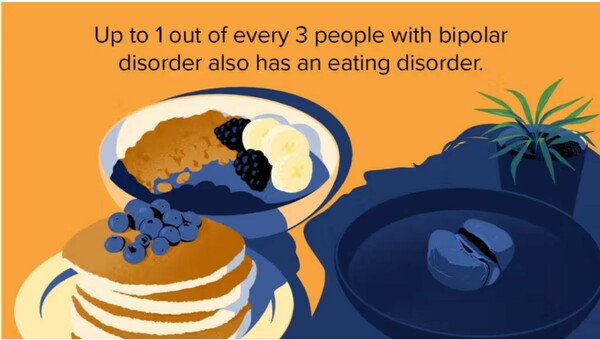
“According to some estimates, 1 in 3 people with
bipolar disorder also has an eating disorder. Despite being so common, eating
disorders can look very different among individuals with bipolar disorder.
Mania and depression can fuel various features of eating disorders, such as
restrictive diets or overeating.”
Read the article
Social media and diet culture are contributing
to a rise in eating disorders in New Zealand, according to mental health
advocate Genevieve Mora
From 1news.co.nz
A fantastic interview with Gen Mora (co-founder of the charity Voices of Hope) on Breakfast TV discussing social media, the support of her family in her own recovery, and her new book Bite Back.
"One of the most important things my family did
for me was they held onto hope for me in the moments I struggled to for myself.
They constantly told me that I was worthy of living a beautiful life, that I
could get better, that the life I was living now wasn't the life I had to live
forever and they were willing to support me."
Read More / Watch
Gen's book "Bite Back" is described as a compassionate guide to navigating eating disorders, for those experiencing them and their loved ones, from someone who has been there.
Buy "Bite Back"
Teenagers Skeptical of Social Media Have a Lower Risk of Eating Disorder
From scientificamerican.com
An in-depth look at social media use and eating
disorder risk based on years of research, include some great pointers on
keeping social-media savvy that are useful for all of us.
“As part of social media literacy, Harrison says,
“young people need to pre-engineer their own media diet, pun intended, to
deliver to them what they know makes them feel seen and validated and
understood and also, if it matters to them, attractive or at least normal."
Read the article
Upcoming support group meetings
EDANZ believes parents/carers have unique abilities to support one another and we hold regular meetings to which you are warmly invited. Currently, we're joining together around the country once a month thanks to videoconferencing technology.
If you would like to participate in a virtual support group, please RSVP to info@ed.org.nz and we'll send you the link.
We alternate monthly between evening and daytime meetings.
Upcoming meetings:
- September 18, 7-8pm
- October 13, 12-1pm
More information can be found on our website Parent/Carer Support Groups page
Remember: EDANZ helpline is open throughout the year – please don’t hesitate to contact us info@ed.org.nz or leave a message on the phone 0800 2 EDANZ and we will get back to you as soon as we can. If you are concerned about the safety of someone, please ring 111 or go to the Emergency Department of your nearest hospital.
"The ongoing support our family has received from EDANZ has been a vital in the recovery process of our daughter's anorexia. Having a parent who has experienced this journey and has offered stories of recovery has been invaluable to us during difficult times. Resourcing given along with facts and information about the disease has also helped us enormously." – Kate
Did you know, we receive no regular funding?
Many families have told us they consider our support to be essential and life-saving. However, we are a volunteer organisation and rely totally on donations and grants to provide our services – many of which are currently self-funded.
Demand for our services continues to grow to unprecedented levels. With the cost pressures New Zealand is facing, donations are becoming scarce... yet they're needed more than ever before.
If you can, please consider donating to EDANZ
Your donation will enable us to continue our work providing support to families, education to healthcare providers and the community, and advocating for improved access to evidence-based treatment for all affected New Zealanders.
Make a Donation